Impression of Mount Song
Explore the eternal beauty and profound spiritual heritage of Mount Song. From mist-shrouded peaks to architectural marvels such as the Shaolin Temple and the Songyang Academy, Mount Song stands as a monument of Chinese civilization. This gallery presents a visual journey through the natural wonders and cultural relics of Mount Song, capturing its enduring charm.
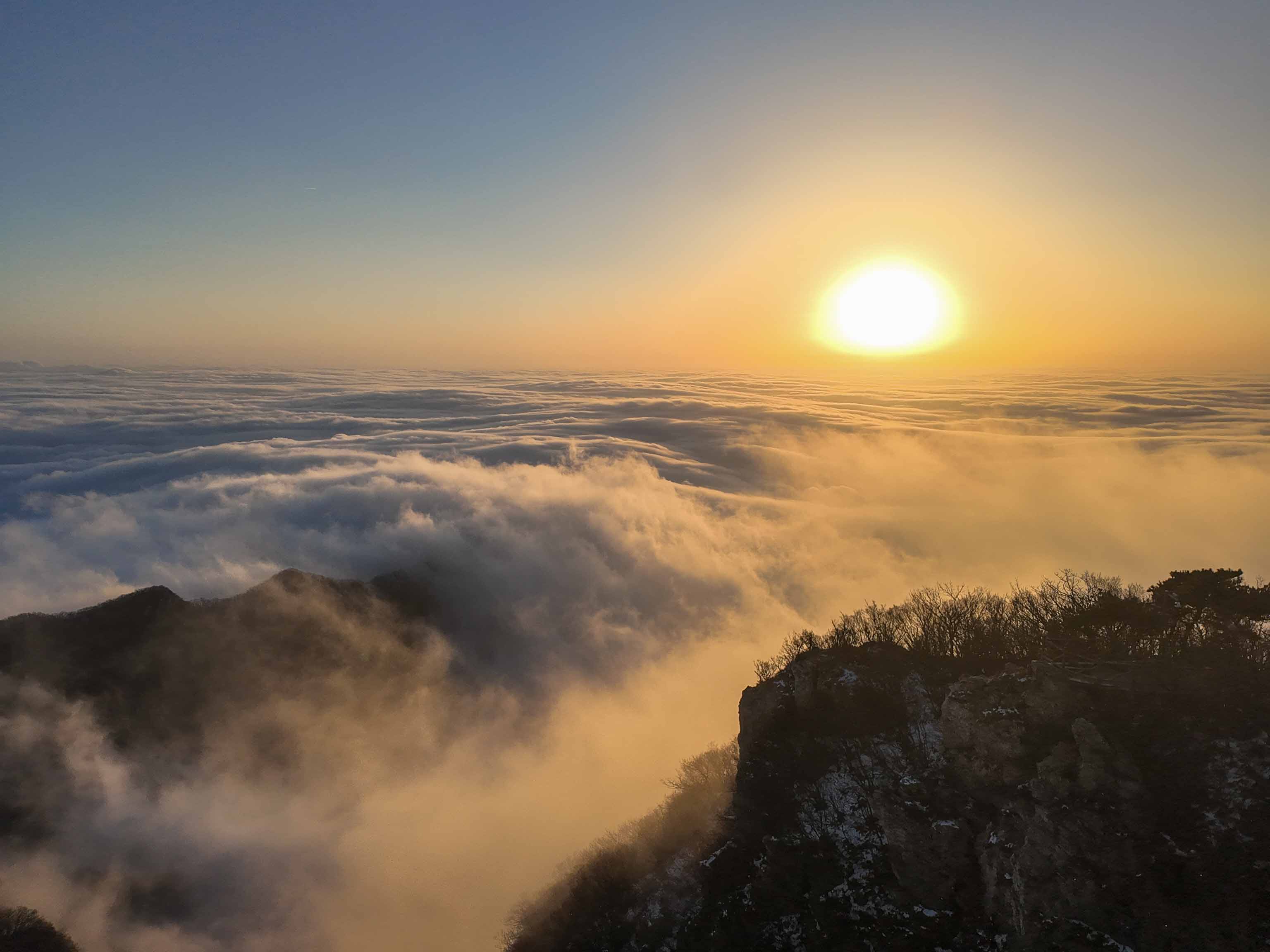
Mount Song, Junji Peak Sea of Clouds
At the summit of Junji Peak, the sea of clouds stretches vast as boundless waves, with peaks emerging and fading like a fairyland of Penglai.
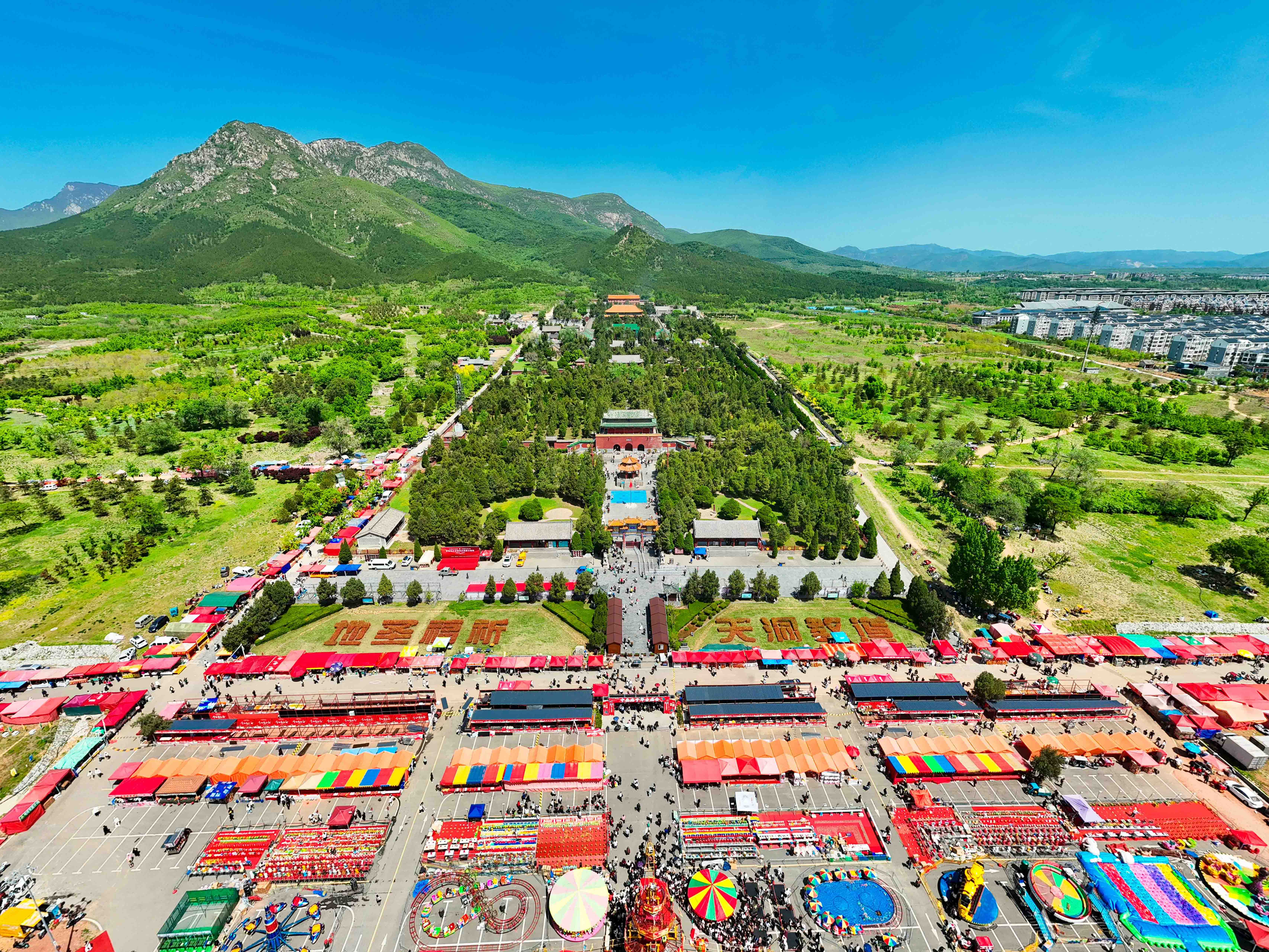
Zhongyue Temple
Zhongyue Temple is the largest Taoist ancient architectural complex on Mount Song. Emperors from successive dynasties performed sacrifices to the mountain god here. With majestic halls and towering ancient cypresses, it is hailed as the "No.1 Temple in the Central Plains."
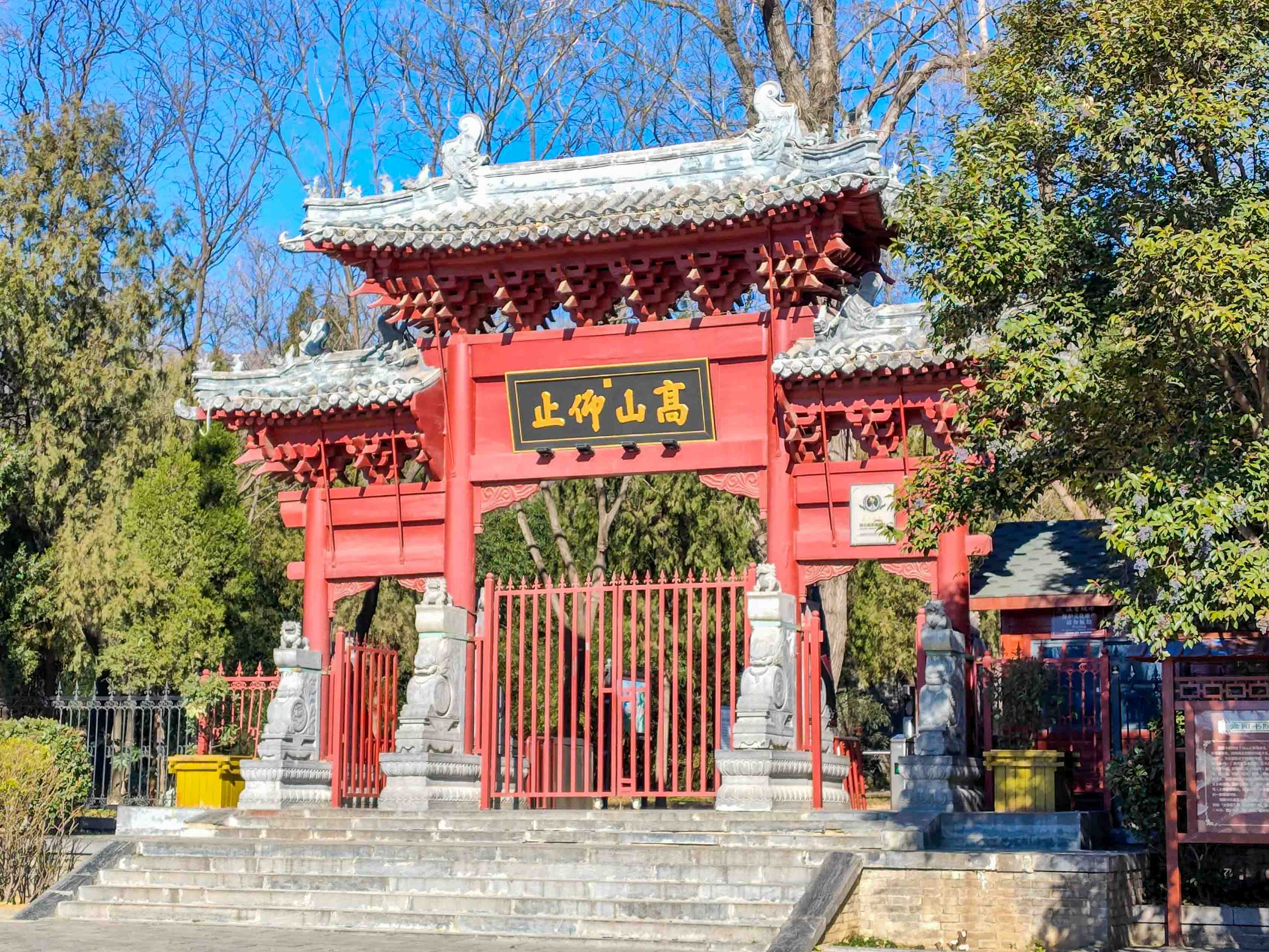
Songyang Academy
Songyang Academy is one of the four great academies of ancient China. Located at the southern foot of Mount Song, it once served as a lecturing place for great Neo-Confucian scholars such as Cheng Hao and Cheng Yi. With lush ancient cypresses and numerous steles standing on the grounds, it is a thousand-year sacred site for the transmission of Confucian culture.
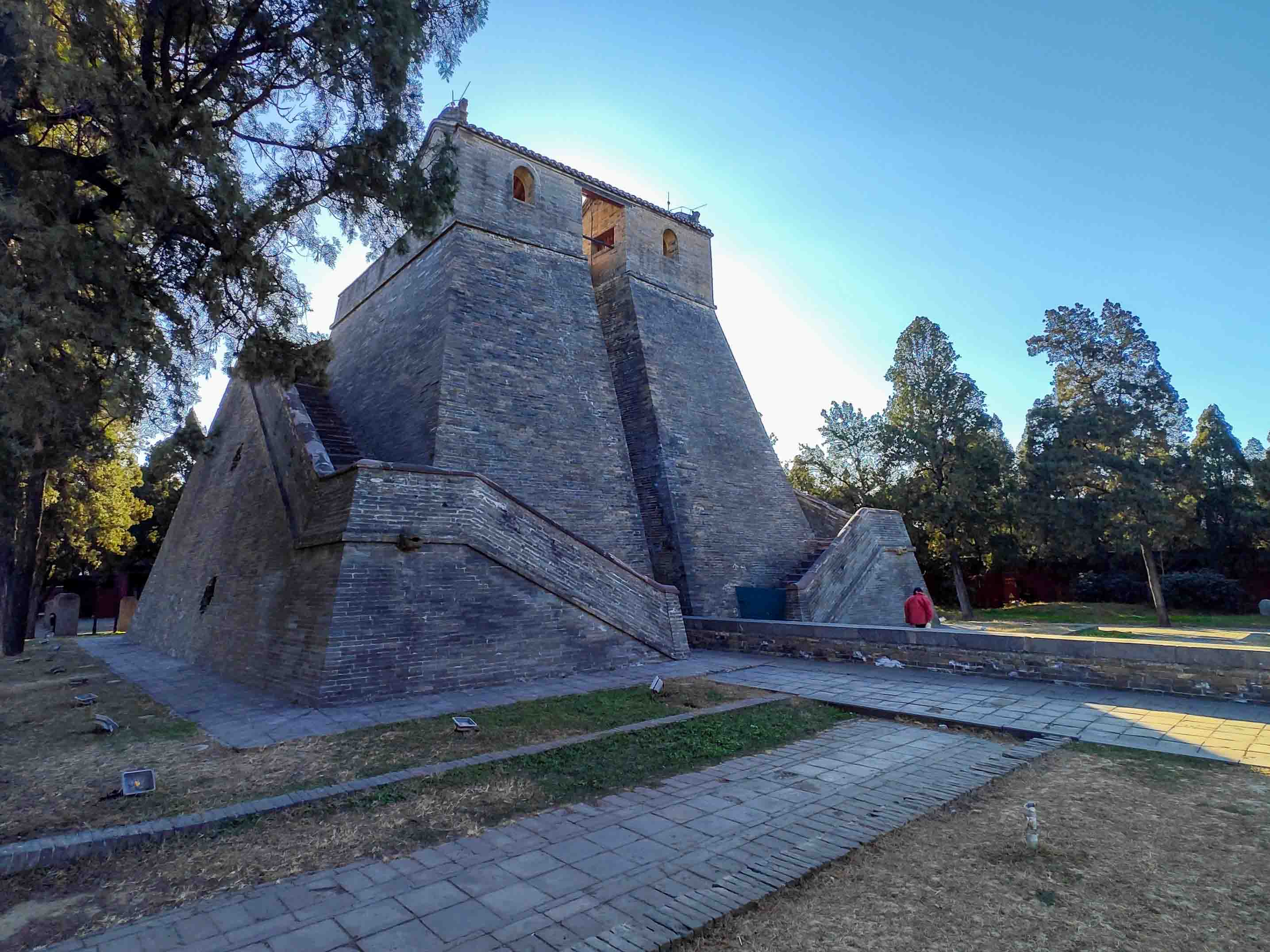
Guanxing Tai Observatory
Guanxing Tai Observatory was constructed under the direction of Guo Shoujing, an astronomer of the Yuan Dynasty. It is the oldest surviving observatory in China and one of the UNESCO World Heritage sites within the "Historic Monuments of Dengfeng in the 'Center of Heaven and Earth'."
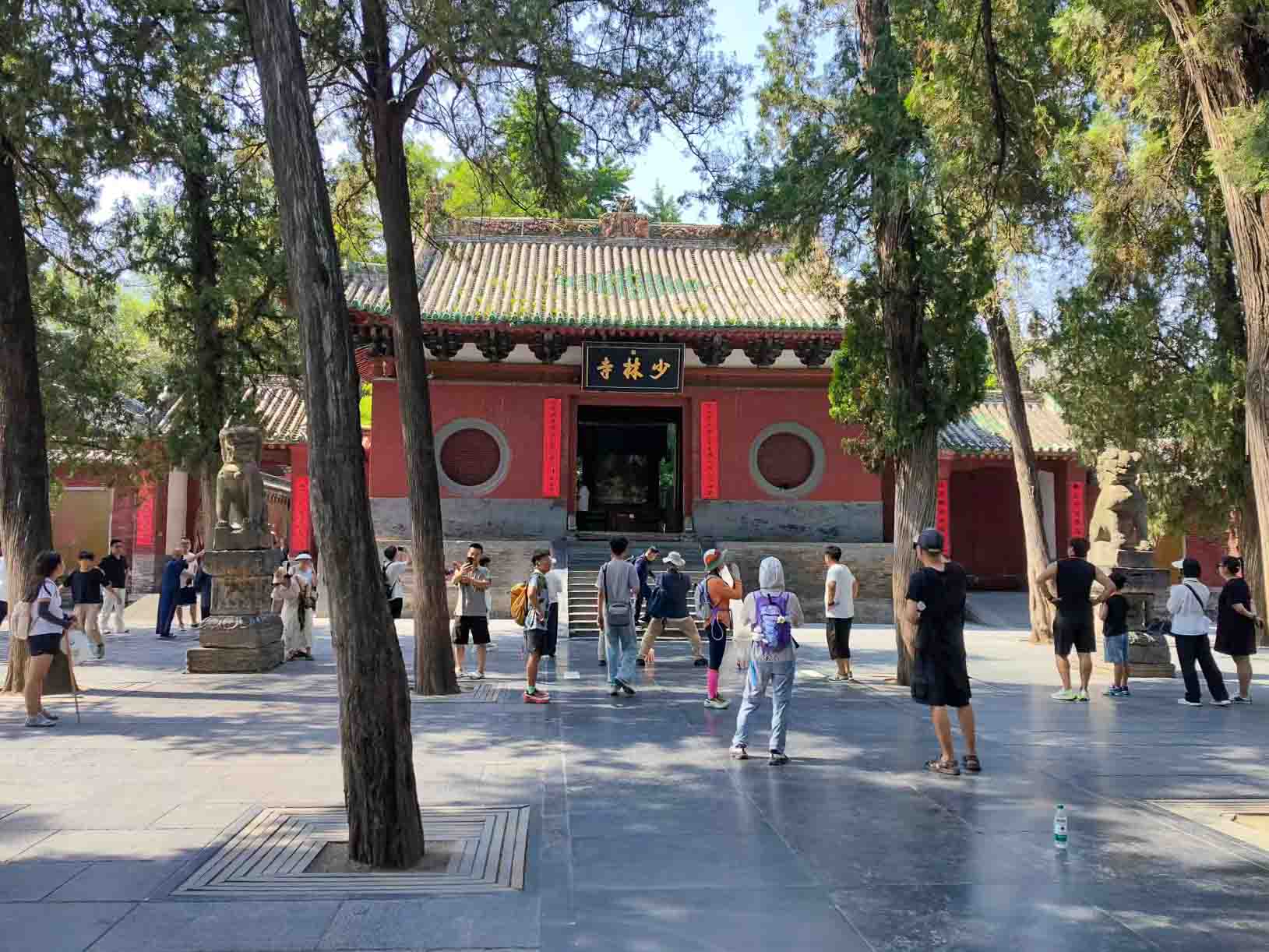
Shaolin Temple
Shaolin Temple was first built in the 19th year of the Taihe period of the Northern Wei Dynasty (AD 495), by imperial order of Emperor Xiaowen to accommodate the Indian monk Buddhabhadra. It has a history of over 1,500 years. As the ancestral temple of the Chan (Zen) school of Chinese Buddhism, Shaolin Temple has taken the Caodong school as its orthodox lineage since the Yuan Dynasty, and its Dharma lineage has continued uninterrupted to this day. At the same time, it is also the birthplace of Chinese martial arts, renowned for the integration of Zen and martial arts. After the incident in the early Tang Dynasty when the thirteen staff‑monks rescued the Prince of Tang (who later became Emperor Taizong), Emperor Taizong personally bestowed commendations and titles upon the temple, thus earning it the reputation of “the foremost temple under heaven.”
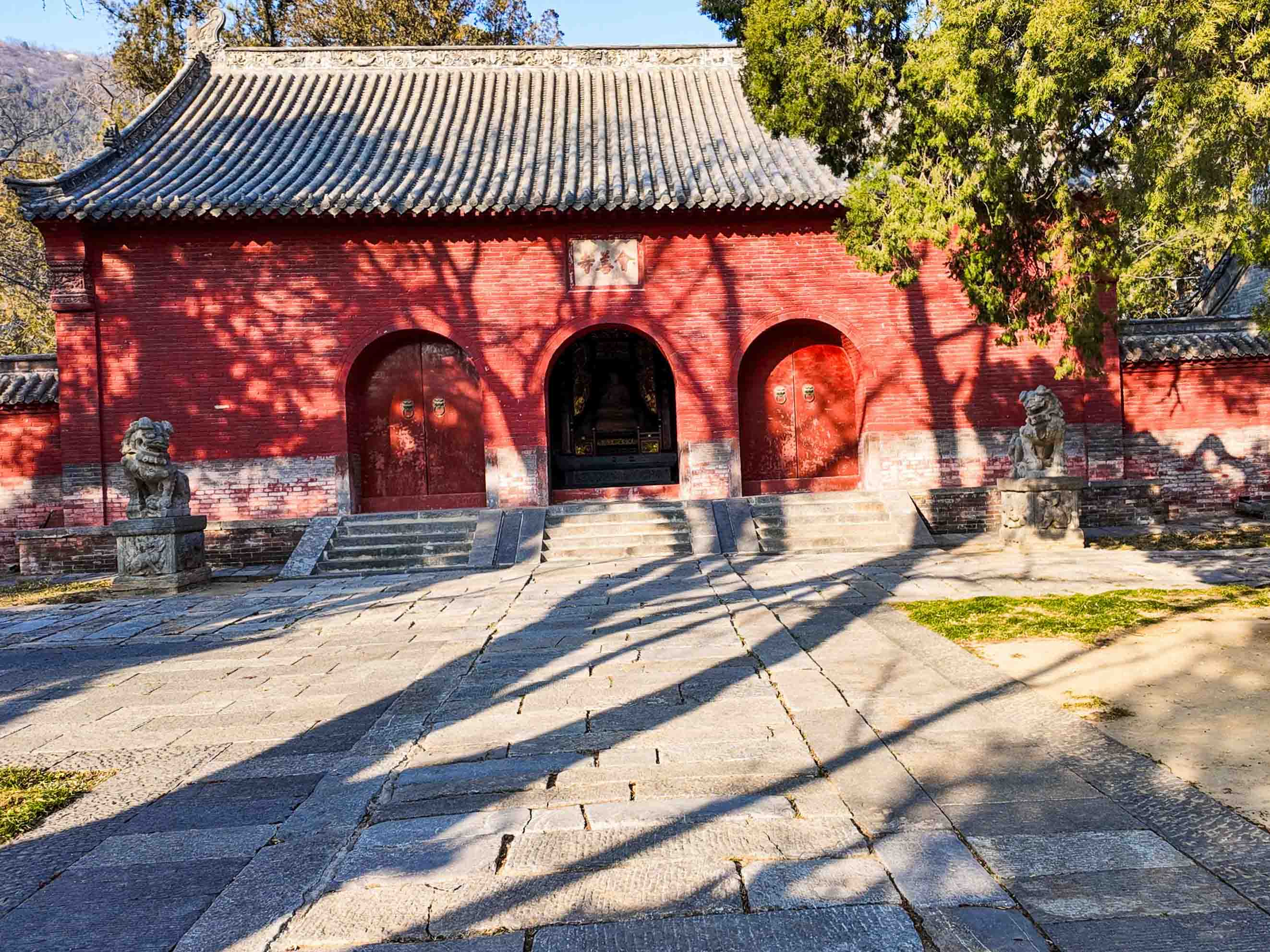
Huishan Temple
Huishan Temple is located at the foot of Jicui Peak on the southern slope of Mount Song. First built during the Northern Wei Dynasty, it served as the ordination center for monks in the Mount Song region in ancient times. Together with Shaolin Temple, Fawang Temple, and Songyue Temple, it is known as one of the four great temples of Mount Song. Its main hall is the only surviving Yuan Dynasty wooden structure in the Mount Song area.